On land, small communities, and the kind of connection that has a future
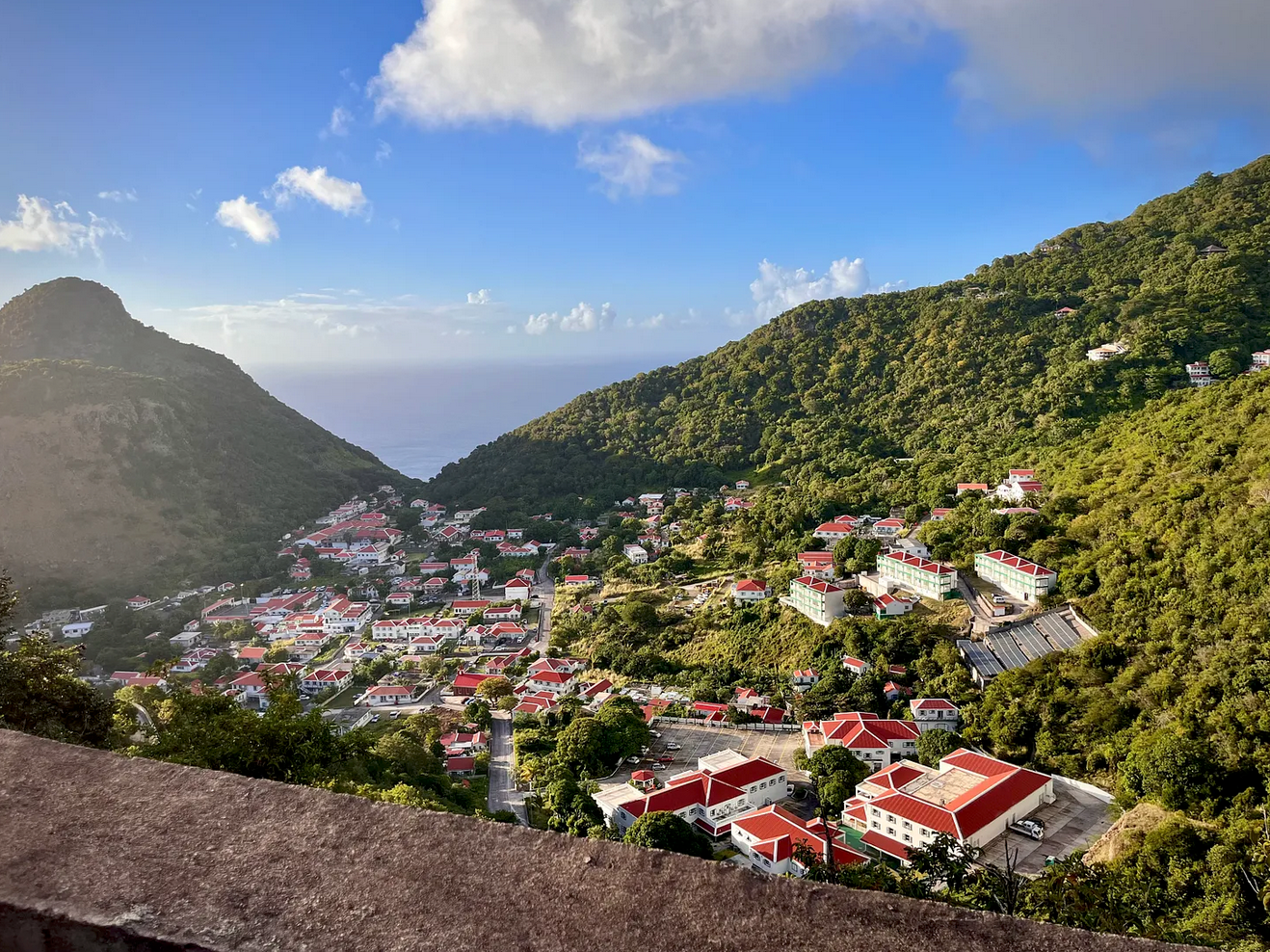
The capital of Saba: The Bottom. A very small community, everybody pretty much depending on eachother. © Françoise Vaal
In recent weeks, I spent time in several very small communities. Tiny islands such as Saba and St. Eustatius. What struck me immediately was the warmth between people. The ease of connection. The cooperation. The quiet willingness to do whatever was needed to keep the community, or ecosystem if you will, functioning.
Everything and everyone seemed to have a place. It was a social system that required no outside audience to exist.
I began to wonder how much the natural environment itself shaped this way of living.
Life at a Human Scale
During my time there, I rarely saw people glued to their phones. They were too busy working, sharing meals, or talking with one another without recording it. On Saba, the Friday afternoon gathering is almost sacred. You simply show up. No invitation needed. No excuse accepted.
I checked my Instagram feed twice in those weeks. Both times it felt unnecessary. That was new.
A Dutch hotel owner on Saba told me there is hardly any crime. Social cohesion is simply too strong. The island is small. You always run into each other. Before you know it, you’re part of the whole. There are only so many roads. (And “steep” there is not an adjective. It’s a lifestyle.)
Is it the isolation? The fact that people genuinely depend on one another? There is less distraction from the “outside world” simply because it isn’t present. Everything happens on the island. And you can’t easily escape it. Social cohesion isn’t optional. It’s necessary.
What surprised me most was how visitors were absorbed into this system. Not as outsiders who came to consume, but as people who, temporarily, belonged. I felt deeply welcome. Not as a tourist, but as someone allowed to breathe along with the whole.
Even on small islands, fragments of world news find their way in. It takes effort not to be absorbed by the state of things. But what brought me back was not an argument or a better explanation.
It was the land. In this case, the island itself.
Soil and rocks under my feet. The colours and shapes of flowers. Wind that did not ask me to perform. Ocean waves that existed long before I formed opinions about people I will never meet.
Belonging Without Judgement
And also something simple: saying good afternoon to everyone you pass. Always. A short conversation with an elderly woman after that greeting, about how we’re doing, what we think of the island, and how we should come back in December for the Christmas decorations. Not as visitors bringing money, but as people temporarily woven into the rhythm of the place.
Walking those islands, I noticed how little was required of me. No opinion to form. No position to defend. The land did not ask who I was, what I believed, or how visible I had become. It simply responded to my presence.
You are there, therefore you belong. Even something as simple as greeting everyone, whether you know them or not, is part of that belonging. You participate without effort.
When the Landscape Leads
Once again, I felt how deeply landscape shapes our wellbeing. How an environment feeds not only the eyes, but the nervous system. How a place can return you to something fundamental: trust. Calm. The freedom to take up space without explanation.
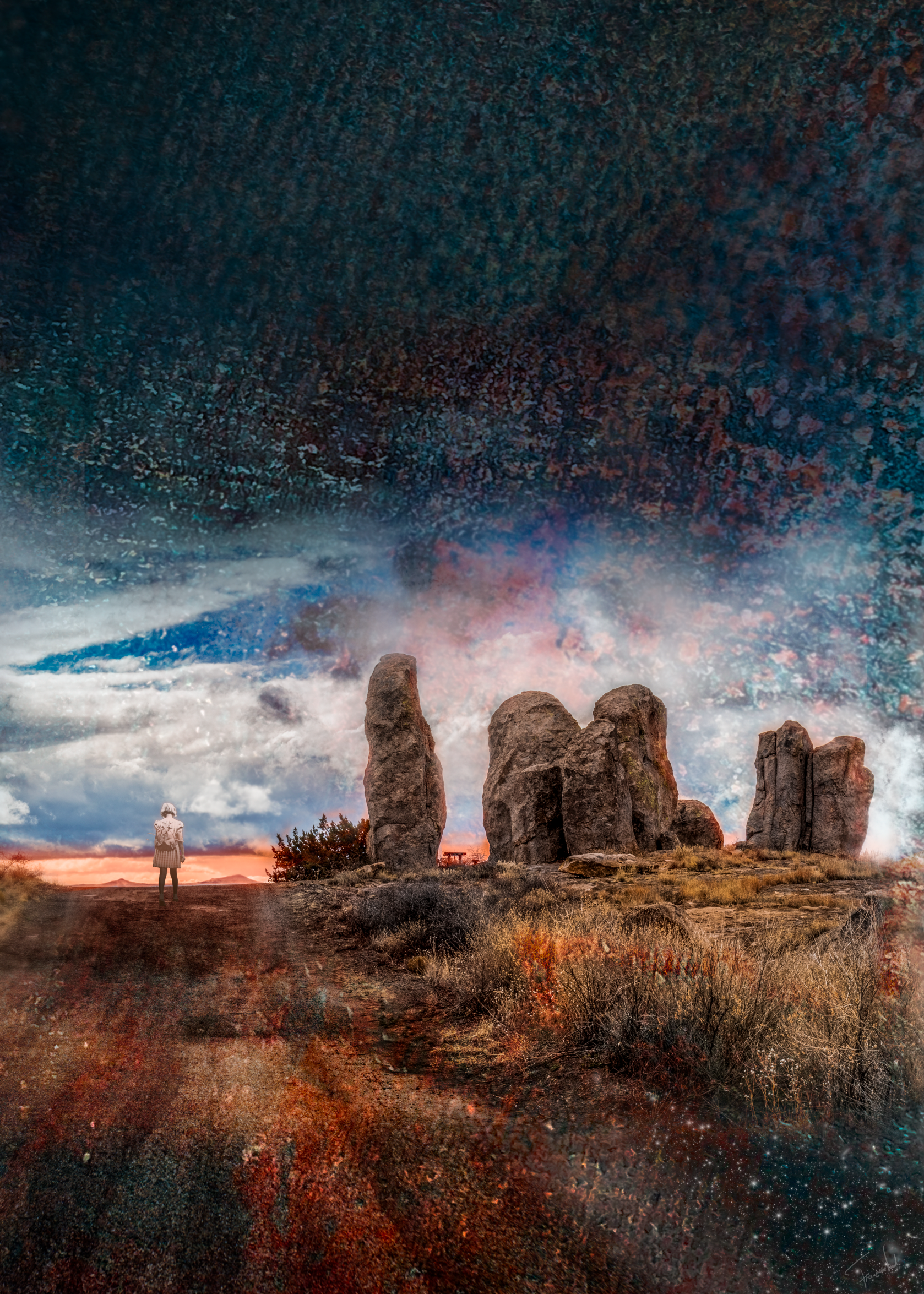
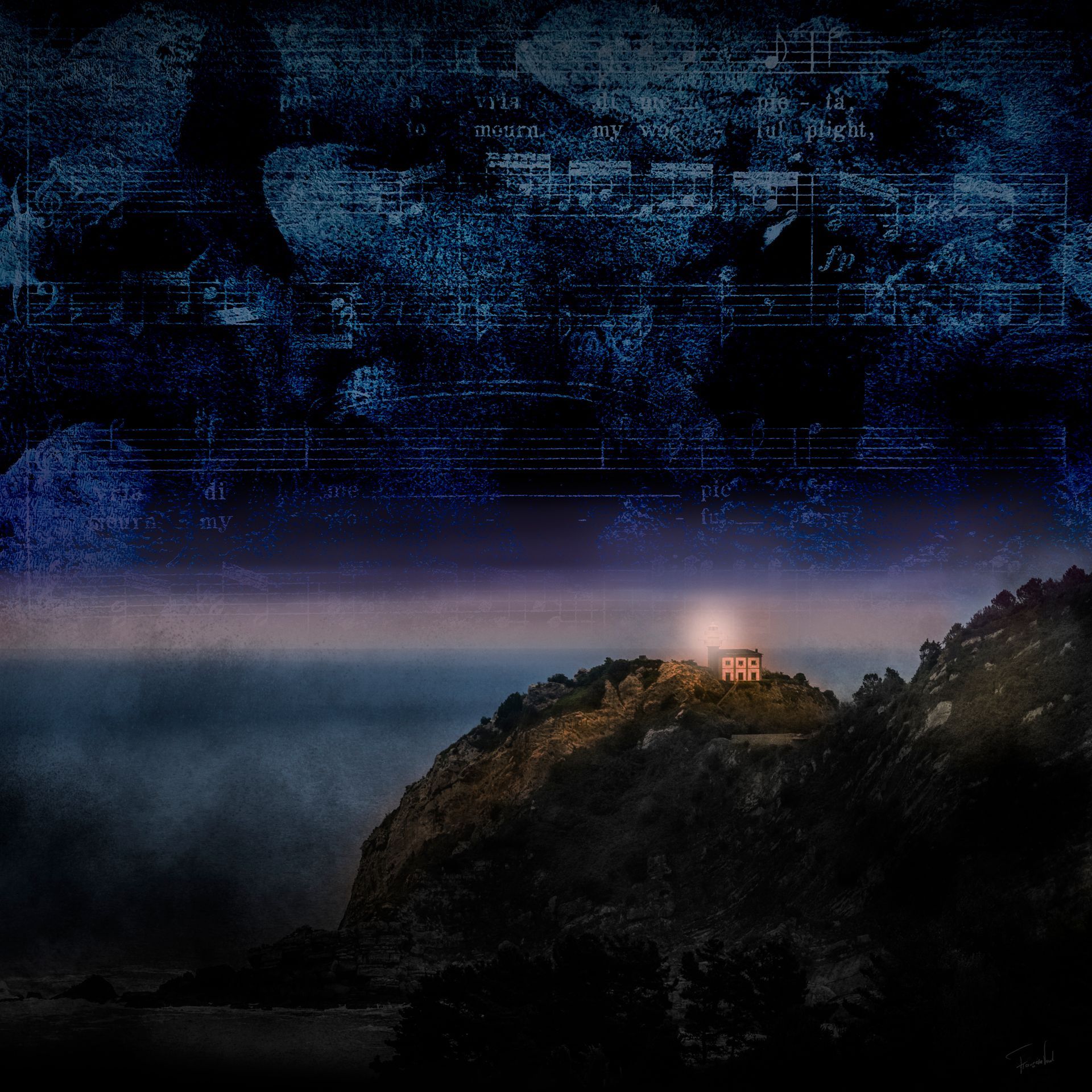
This experience continues to inform my work as an artist. I carry it back into the studio. Into landscapes that are less about looking and more about coming home. My work isn’t about representation or escape. It’s about allowing the viewer to feel what it’s like to belong to land. To feel part of something larger, not because something must be proven, but simply because you are here.
Small communities that live with the land are not nostalgic remnants of the past. They quietly point toward a future where people reconnect with others, with themselves, and with life itself, through respect for the ground that holds them.
That is the future I keep working toward. One landscape at a time.
Françoise
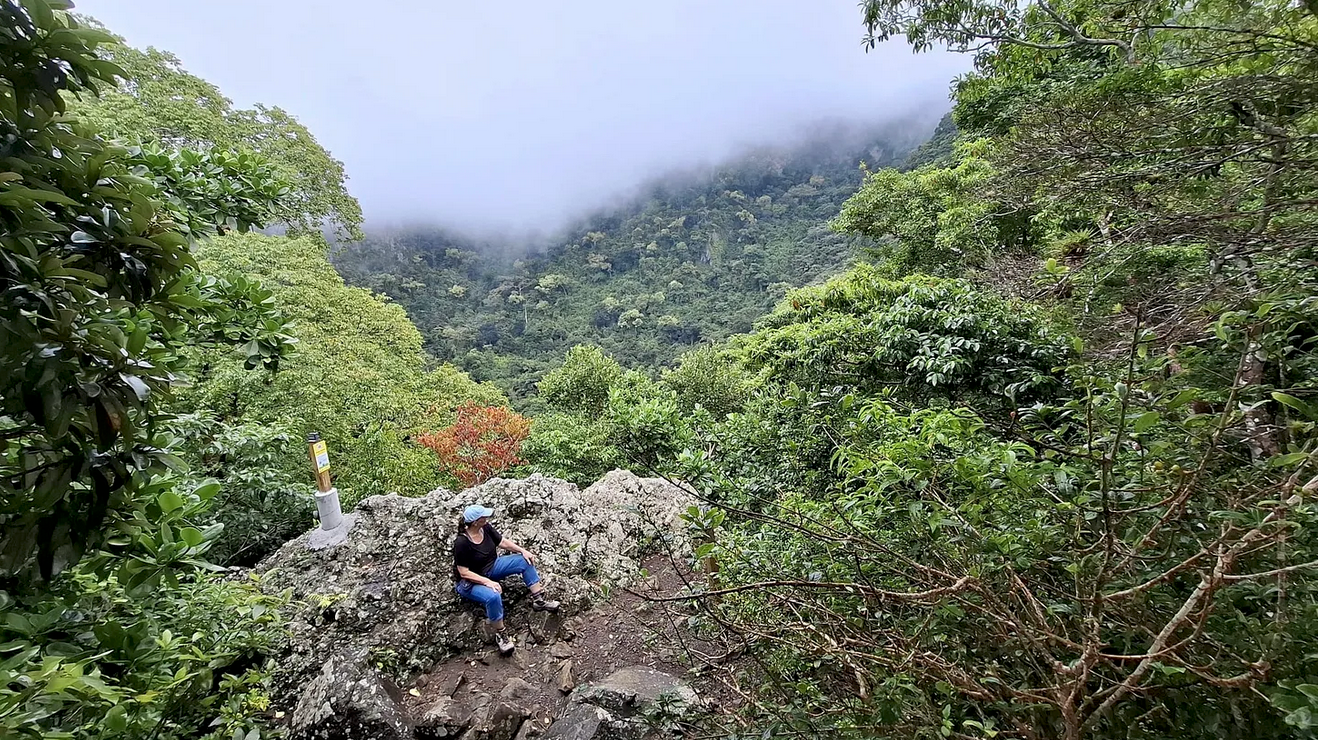
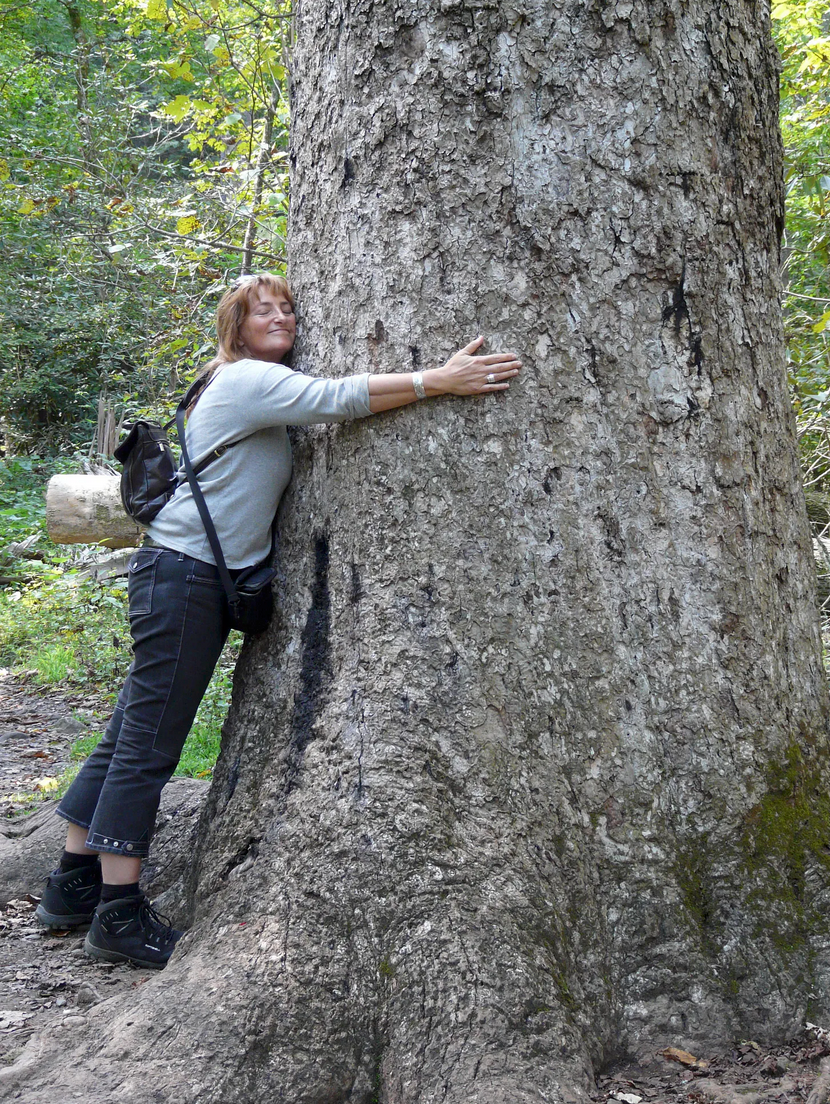
Here I am enjoying the fog on top of the caldera of ‘The Quill’ a dormant volcano on St. Eustatius. © Bruinhof
Nederlands:
(Foto 1) De hoofdstad van Saba: The Bottom. Een heel kleine gemeenschap, waar iedereen zo ongeveer van elkaar afhankelijk is. © Françoise Vaal
In de afgelopen weken bracht ik tijd door in verschillende zeer kleine gemeenschappen. Piepkleine eilanden zoals Saba en St. Eustatius. Wat me meteen opviel was de warmte tussen mensen. Het gemak van contact. De samenwerking. De stille bereidheid om te doen wat nodig was om de gemeenschap, of het ecosysteem zo je wilt, draaiende te houden.
Alles en iedereen leek een plek te hebben. Het was een sociaal systeem dat geen publiek van buitenaf nodig had om te bestaan.
Ik begon me af te vragen in hoeverre de natuurlijke omgeving zelf deze manier van leven vormgaf.
Leven op menselijke schaal
Tijdens mijn verblijf zag ik zelden mensen vastgeplakt aan hun telefoon. Ze waren te druk met werken, samen eten, of met elkaar praten zonder het te filmen of vast te leggen. Op Saba is de vrijdagmiddagborrel bijna heilig. Je komt gewoon opdagen. Geen uitnodiging nodig. Geen excuus wordt geaccepteerd.
Ik checkte mijn Instagram-feed twee keer in die weken. Beide keren voelde het overbodig. Dat was nieuw.
Een Nederlandse hoteleigenaar op Saba vertelde me dat er nauwelijks criminaliteit is. De sociale samenhang is simpelweg te sterk. Het eiland is klein. Je loopt elkaar altijd tegen het lijf. Voor je het weet ben je onderdeel van het geheel. Er zijn maar een beperkt aantal wegen. (En “steil” is daar geen bijvoeglijk naamwoord. Het is een levensstijl.)
Is het de isolatie? Het feit dat mensen echt van elkaar afhankelijk zijn? Er is minder afleiding van de “buitenwereld” simpelweg omdat die er niet is. Alles gebeurt op het eiland. En je kunt er niet gemakkelijk aan ontsnappen. Sociale samenhang is geen keuze. Het is noodzakelijk.
Wat me het meest verraste, was hoe bezoekers in dit systeem werden opgenomen. Niet als buitenstaanders die kwamen consumeren, maar als mensen die er tijdelijk bij hoorden. Ik voelde me oprecht welkom. Niet als toerist, maar als iemand die mee mocht ademen met het geheel.
Zelfs op kleine eilanden vinden flarden van wereldnieuws hun weg naar binnen. Het kost moeite om niet meegezogen te worden door de staat van de wereld. Maar wat me terugbracht was niet een argument of een betere uitleg.
Het was het land. In dit geval: het eiland zelf.
Aarde en rotsen onder mijn voeten. De kleuren en vormen van bloemen. Wind die niet van me vroeg om iets te zijn.
Oceaangolven die al bestonden lang voordat ik meningen vormde over mensen die ik nooit zal ontmoeten.
Erbij horen zonder veroordeling
En ook iets eenvoudigs: iedereen die je passeert goedemiddag zeggen. Altijd. Een kort gesprek met een oudere vrouw na die begroeting, over hoe het gaat, wat we van het eiland vinden, en dat we in december terug zouden moeten komen voor de kerstversiering. Niet als bezoekers die geld meebrengen, maar als mensen die tijdelijk mee verweven raken in het ritme van de plek.
Terwijl ik over die eilanden liep, merkte ik hoe weinig er van mij werd gevraagd. Geen mening om te vormen. Geen positie om te verdedigen. Het land vroeg niet wie ik was, wat ik geloofde, of hoe zichtbaar ik inmiddels was geworden. Het reageerde simpelweg op mijn aanwezigheid.
Je bent er, dus je hoort erbij. Zelfs iets simpels als iedereen groeten, of je die persoon nu kent of niet, is onderdeel van dat erbij horen. Je doet mee zonder moeite.
Wanneer het landschap leidt
Opnieuw voelde ik hoe diep het landschap ons welzijn vormt. Hoe een omgeving niet alleen de ogen voedt, maar ook het zenuwstelsel. Hoe een plek je kan terugbrengen naar iets fundamenteels: vertrouwen. Rust. De vrijheid om ruimte in te nemen zonder uitleg.
Deze ervaring blijft mijn werk als kunstenaar voeden. Ik neem het mee terug het atelier in. In landschappen die minder gaan over kijken en meer over thuiskomen. Mijn werk gaat niet over representatie of ontsnapping. Het gaat over de kijker laten voelen hoe het is om bij het land te horen. Om deel uit te maken van iets groters, niet omdat er iets bewezen moet worden, maar simpelweg omdat je hier bent.
Kleine gemeenschappen die met het land leven zijn geen nostalgische restanten van het verleden. Ze wijzen stilletjes naar een toekomst waarin mensen opnieuw verbinding maken met anderen, met zichzelf, en met het leven zelf, via respect voor de grond die hen draagt.
Dat is de toekomst waar ik naartoe blijf werken. Eén landschap tegelijk.
Françoise
(Foto 2) Hier ben ik, genietend van de mist bovenop de caldera van ‘The Quill’, een slapende vulkaan op St. Eustatius. © Bruinhof